
Jibhi vs Shoja: Which Should You Pick? (2026, From Locals)
Jibhi and Shoja sit on the same road but feel very different. Here's how they compare, and how most travellers stay in Jibhi and still get a good day up in Shoja.
By The Rustic Team · Published · Updated
The short answer
Jibhi is the easier place to base yourself: more cafés, more places to eat, simpler transport and a busier traveller scene. Shoja is higher, colder and much quieter, and it's the last village before Jalori Pass. Most people get the best of both by sleeping in Jibhi and spending a half-day or full day up in Shoja.
To be clear about where we fit in: all of The Rustic's rooms are in Jibhi. Up in Shoja we run The Rustic Café Shoja, a café only, with no beds or rooms. So if you're travelling with us, Jibhi is where you sleep and Shoja is where you come for a coffee, a meal and the forest views on your way to or from Jalori.
Jibhi vs Shoja at a glance
Figures are approximate and conditions change with the season.
| Jibhi | Shoja | |
|---|---|---|
| Feel | Village with cafés, shops and a steady traveller crowd | Small, quiet forest village near the pass |
| Height | Lower, in the valley among deodar and orchards | Around 2,700 m, noticeably colder at night |
| Getting there | About 1 to 1.5 hours by taxi or local bus from Aut | A further 30 to 40 minutes by taxi from Jibhi |
| Jalori Pass | Around 45 minutes to an hour by road | About 5 km below the pass |
| Food and cafés | Several cafés plus The Rustic Café upstairs at our hostel | A few cafés and dhabas, including The Rustic Café Shoja |
| Staying with The Rustic | Yes: dorms from ₹600 a bed, female-only dorm, private suites | Café only, no rooms |
| Best for | First visits, solo travellers, long stays and remote work | A half-day or day trip, quiet views, the Jalori walk |
Altitude, cold and quiet
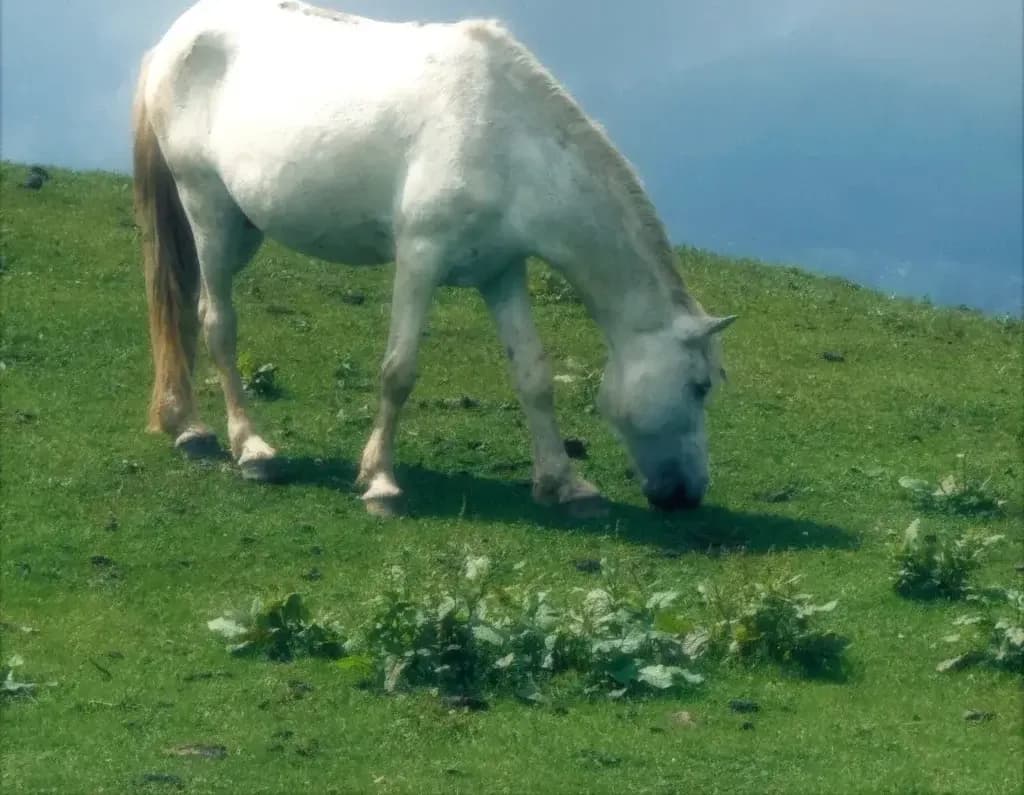
Shoja sits at around 2,700 m on the climb toward Jalori Pass, roughly 7 to 8 km uphill from Jibhi (a 30 to 40 minute taxi ride). Jibhi is several hundred metres lower, down in the valley among deodar forest and orchards. Elevation figures vary by source, so treat these as ballpark numbers.
That height difference shows. Shoja usually feels noticeably colder, especially after sunset, and it tends to get more winter snow than Jibhi. The forest opens up into long views across the valley, and after dark the village is very quiet, with few places open late.
Jibhi keeps more going through the year: cafés, small shops, homestays, guesthouses and hostels, and easier onward connections toward Banjar and Aut. For remote workers who need dependable Wi-Fi and somewhere to sit between calls, Jibhi is usually the more practical base.
Who each village suits
Jibhi suits travellers who want choice and company: a few cafés to rotate through, trek partners to team up with, and easy logistics for a longer stay. At The Rustic Jibhi the rooms are downstairs and the café is upstairs, directly above them, with live music or a movie on most evenings depending on the season and who's staying, and a bonfire when the weather allows.
Shoja suits people who want forest walks, big views and an early start for Jalori Pass and Serolsar Lake. If you'd rather sleep up there, there are other guesthouses and homestays in Shoja, but you'll be booking those separately; we don't have rooms in Shoja. Our Shoja travel guide covers the village on its own terms.
How Rustic guests usually plan it
Stay at The Rustic Jibhi and do Jalori Pass and Serolsar Lake as a day trip via Shoja. Leave early, walk the trail while the light is good, then stop at The Rustic Café Shoja for something hot on the way back down before heading home to Jibhi. The Jalori Pass and Serolsar Lake trek guide maps out that day.
If you'd rather skip the trek, Shoja also works as a slow afternoon: a forest walk, a long coffee with the valley in front of you, and back down to Jibhi before dark. Our things to do in Shoja post has more ideas, and the team at Jibhi can help you share a taxi with other guests heading the same way.
Taxi time and road conditions on the Jalori road change with the weather, especially in winter and during the monsoon, so check with us or locally before you head up.
Comparing places to stay? See our guide to hostels in Jibhi or the rooms and prices at The Rustic Jibhi.
Questions people ask
Does The Rustic have rooms in Shoja?
No. All our rooms (dorms, the female-only dorm and private suites) are at The Rustic Jibhi. In Shoja we run The Rustic Café Shoja, which is a café only, so plan to stay in Jibhi and visit Shoja during the day.
How far is Shoja from Jibhi?
Roughly 7 to 8 km up the Jalori road, which is usually a 30 to 40 minute taxi ride. Shoja is about 5 km below Jalori Pass, so it fits neatly into a Jalori day trip.
Is Shoja colder than Jibhi?
Generally, yes. Shoja sits at around 2,700 m, several hundred metres above Jibhi, so evenings are colder and winter snow is more likely. Pack an extra layer even for a summer day trip.
Which is better for a first visit, Jibhi or Shoja?
For most first-timers, Jibhi as a base with a day up to Shoja and Jalori. You get easier logistics and more food options in Jibhi, and still see the higher forest and views without moving your bags.

Written by The Rustic Team
The people who run The Rustic Jibhi and The Rustic Café Shoja. Between us we’ve lived in Tirthan Valley for years: we sort out taxis from Aut, plan treks to Jalori and Serolsar most weeks, and check these guides against what we see on the ground. Read our story.