
Best Time to Visit Jibhi
There's no single best time to visit Jibhi, just seasons that suit different trips. Here's what each one does to the weather, the roads, the treks and the crowds.
By The Rustic Team · Published · Updated
The short answer
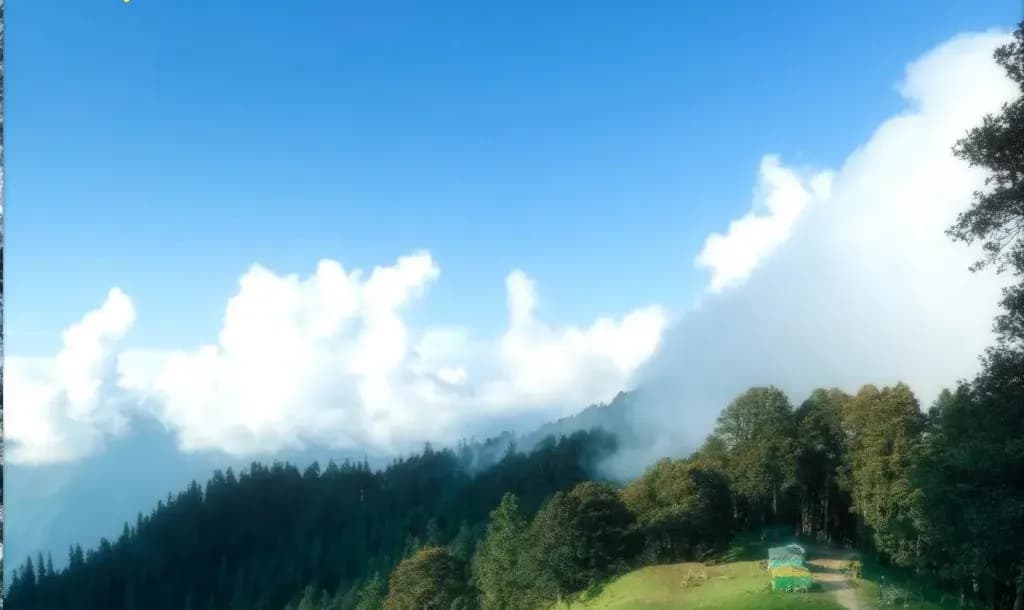
For treks and clear views, the best windows are usually April to June and late September to November. For mist, rain and a slow, quiet stay, July to mid-September has its own appeal if you can live with slippery paths. For snow and real quiet, come in winter, accepting that Jalori Pass may be closed. Jibhi sits in Tirthan Valley, well below the high passes, so it's milder than the higher passes but still properly cold in winter.
Spring and early summer (March to June)
March to June brings comfortable days for village walks, the drive to Jalori and long café sessions. Trails open up, orchards bloom and long-stay guests settle into a steady rhythm. Jalori Pass and Serolsar Lake are generally accessible from around late April, subject to weather and road conditions. May and June are the busiest months, so book ahead for weekends. Our summer guide goes month by month.
The rainy-season mist window (July to mid-September)
July to mid-September turns Jibhi into a village in the clouds. Waterfalls roar, ridges disappear and the pace slows right down. It's a good time for writers, remote workers and travellers who like rain on tin roofs, as long as you accept slippery paths and flexible trek plans. Heavy rain can bring landslides on the hill roads, so build a spare day into your travel plans and check conditions before you set off.
Autumn (late September to November)
Once the rains ease, skies usually clear and the views open up. Days are crisp, nights get colder through November, and the road over Jalori is usually open until the first heavy snow. It's one of the best times for the Jalori Pass and Serolsar Lake trek, and the festival long weekends in October and November fill up, so book early for those.
Winter (December to February)
Winter can bring snow and deep quiet. Jibhi is usually reachable from Aut even when higher roads struggle, but snowfall often closes Jalori Pass, sometimes for long stretches, so plan a winter trip around snow views, the village and the evenings rather than the pass. Pack proper warm layers and expect cold nights. For more, read our Winter in Jibhi and Shoja guide.
What stays the same all year
Whatever the season, The Rustic Jibhi runs on fibre Wi-Fi with power backup, and the café upstairs serves food and drinks through the day and into the evening. On most evenings there's live music or a movie, depending on the season and who's staying, with a bonfire when the weather allows. Book on WhatsApp at +91 83685 59027 for a flat 5% off the online rates, and ask the team about road conditions if you're unsure what the weather is doing that week.
Comparing places to stay? See our guide to hostels in Jibhi or the rooms and prices at The Rustic Jibhi.
Questions people ask
What is the best month to visit Jibhi?
For clear views and open trails, October is hard to beat, with April to June a close second. Both usually have the road to Jalori open, subject to weather.
Is it worth visiting Jibhi in the monsoon?
It can be, if you want mist, waterfalls and a slow stay. Expect slippery paths, some road delays on the Mandi–Aut stretch, and plans that change with the rain. Check our [road status page](/jibhi-road-status) before travelling.
Does it snow in Jibhi?
It can in winter, more often on the road above Jibhi towards Shoja and Jalori Pass. Snowfall varies a lot from year to year, so there’s no guarantee on particular dates.
Is Jalori Pass open in winter?
Often not. Heavy snow usually closes Jalori from around mid-December to March, though the dates change every year. Ask us before you plan a winter trek.

Written by The Rustic Team
The people who run The Rustic Jibhi and The Rustic Café Shoja. Between us we’ve lived in Tirthan Valley for years: we sort out taxis from Aut, plan treks to Jalori and Serolsar most weeks, and check these guides against what we see on the ground. Read our story.